
- Template item
Buyer personas and Ideal Customer Profiles (ICPs) give marketing and sales teams a good idea of who to target and how to position campaigns. However, customers, by nature, aren’t a monolith. They don’t all behave the same way, make decisions for the same reasons, or respond to the same messages.
To truly understand your audience’s interests, motivations, and behaviors, you need to analyze data from multiple sources. That includes customer data, social media posts, website analytics, and even financial data, if necessary. These datasets reveal patterns you can act on to personalize marketing strategies, optimize ad spend, and improve customer experiences.
But the problem is that, in many organizations, data lives in silos, so data engineers can’t easily access (or even find) all available data. In others, the tools for big data analytics are complex, and some companies don’t have the right experts to analyze big data and glean actionable insights from it.
If you’re having trouble with big data marketing or you don’t know where to start, keep reading. In this guide, we’ll cover:
- What big data marketing is and what it entails
- The core technology and infrastructure powering big data in marketing
- Use cases that show how real companies harness big data for growth
- How to measure success and ROI with data-driven marketing
- Common challenges and pitfalls to avoid when working with big data
What is big data marketing?

Big data marketing is the practice of using massive, complex, and diverse datasets to create more highly personalized, effective, and targeted marketing strategies.
It involves collecting customer information from multiple sources—including social posts, CRM platforms, site analytics, loyalty programs, operational data, and even offline transactions—and then running those datasets through advanced analytics and machine learning (ML) models to extract meaningful insights.
Marketers and data engineers work together to analyze the data, identify patterns in consumer behavior, and feed those findings into campaigns that are more relevant, more efficient, and more profitable.
When done right, big data marketing helps companies leverage data not just to react to what customers do, but to predict what they’ll do next.
The 5 V’s of big data
Big data is shaped by five dimensions known as the 5 V’s:
1. Volume
This refers to the sheer amount of data collected every second from marketing channels, e-commerce platforms, social media interactions, and point-of-sale systems. Every click, purchase, and comment adds up to a mountain of information that can reveal market trends and patterns when aggregated.
2. Velocity
This is the speed at which data is generated, captured, and processed. Modern systems allow marketing teams to make real-time decisions, and adjust campaigns or messaging on the fly as new data comes in.
3. Variety
This is the mix of structured and unstructured data marketers deal with every day.
Structured data includes things like purchase history or demographic details stored in databases. Unstructured data, on the other hand, includes free-form sources such as customer reviews, video content, and social posts.
Together, this data provides a full-spectrum understanding of customer behavior.
4. Veracity
Not all data is good data. Accuracy, reliability, and data quality determine whether the insights you gain can be trusted. Flawed or inconsistent information can derail marketing processes and lead to misinformed decisions.
5. Value
This is the most important “V.” The real power of big data in marketing lies in its ability to turn raw information into actionable insights that drive growth, improve customer satisfaction, and strengthen marketing strategies.
The role of big data marketing in the customer lifecycle
Big data marketing enhances every stage of the customer lifecycle, helping marketers deliver more precise experiences and smarter marketing campaigns. Here’s how:
1. Awareness
- Identifying prospects: Using big data analytics, businesses can identify audiences most likely to engage based on demographics, interests, and browsing history.
- Targeted campaigns: With a clearer understanding of lookalike audiences, marketers can run targeted marketing efforts that maximize exposure without wasting budget.
2. Consideration
- Personalization: As prospects interact with their brand, marketing data tracks behaviors like clicks or downloads. This helps marketers execute personalized marketing strategies that show the right content, demo, or trial at the right time.
- Real-time responsiveness: With high-velocity data streams, teams can adapt content or offers based on live signals to create smoother, faster customer journeys.
3. Conversion
- Predictive analytics: Historical trends help forecast which leads are most likely to buy, which allow marketing departments to focus resources effectively.
- Optimizing the path to purchase: Big data reveals friction points in checkout flows or pricing pages, helping teams fix bottlenecks and improve conversions.
4. Retention
- Improved customer experience: Insights from marketing big data help you tailor communication and proactive service to each lead, which builds trust and boosts customer engagement.
- Reduced churn: Through predictive modeling, businesses can detect early warning signs of churn and deploy retention plays like personalized discounts or upgraded offers.
5. Loyalty and advocacy
- Rewarding engagement: Big data marketing helps design smarter reward programs that recognize frequent buyers and reward behaviors that matter most.
- Identifying brand ambassadors: By tracking customer feedback and social media interactions, marketers can spot advocates who amplify their message and attract new customers.
Core technologies and infrastructure used in big data marketing
Big data marketing uses several core technologies and infrastructure components to collect, process, and analyze massive datasets, including the following:
Data storage and processing
1. Data warehouses
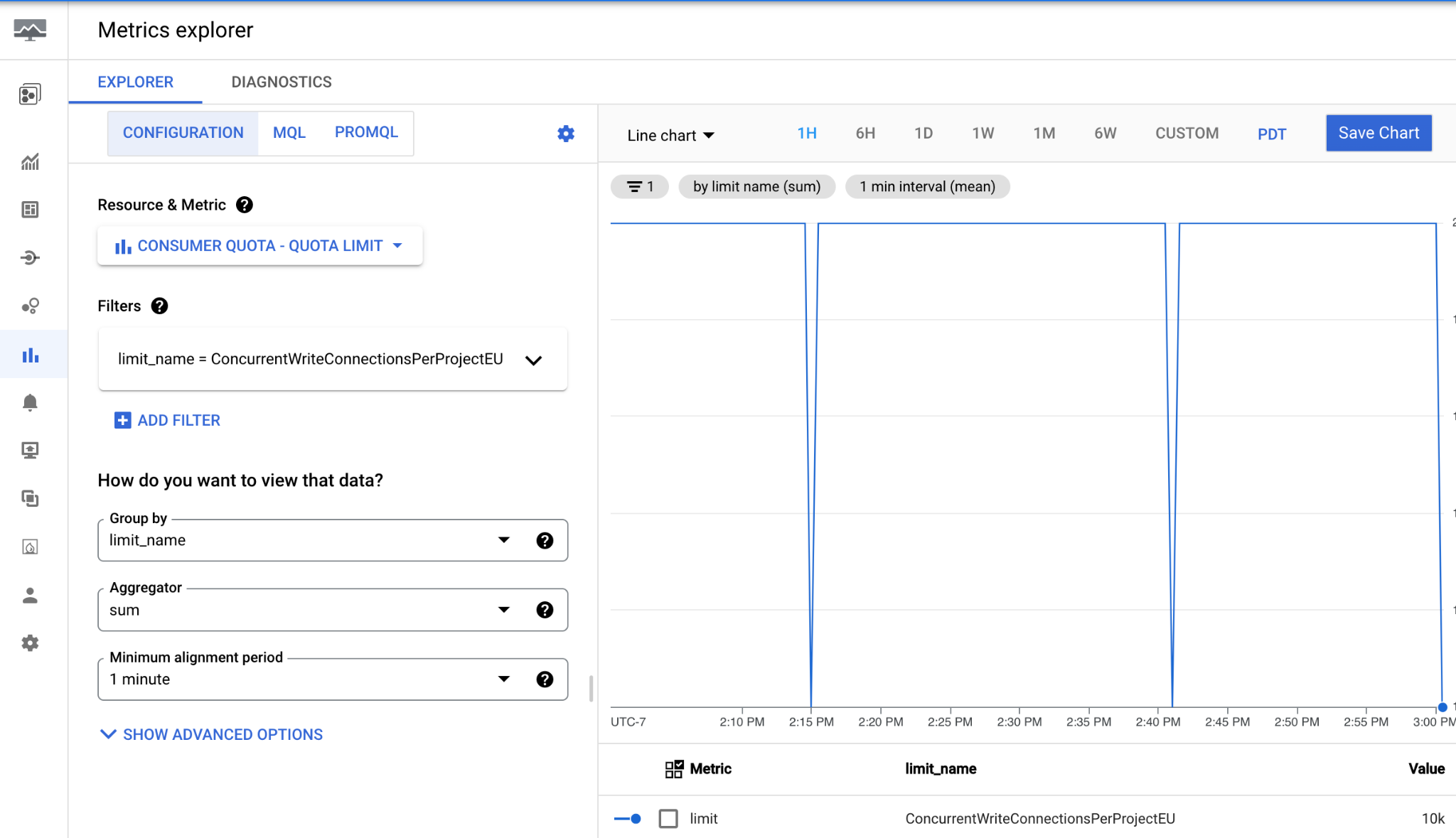
A data warehouse is the backbone of structured analysis. It centralizes structured data from multiple marketing channels (e.g., CRM platforms, advertising networks, and site analytics) into one organized repository.
From there, marketing teams can run business intelligence queries, perform competitive analysis, and extract actionable insights that drive informed decisions.
Examples: Google BigQuery, Amazon Redshift, Snowflake
2. Data lakes
While warehouses handle structured information, data lakes store massive volumes of raw, unstructured data and semi-structured data, like log files, videos, social posts, and survey responses.
This architecture allows data engineers and marketing analysts to explore the full range of structured and unstructured data, fueling advanced analytics, predictive modeling, and machine learning experiments.
Examples: AWS Lake Formation, Azure Data Lake, Google Cloud Storage
3. ETL (Extract, Transform, Load) Tools
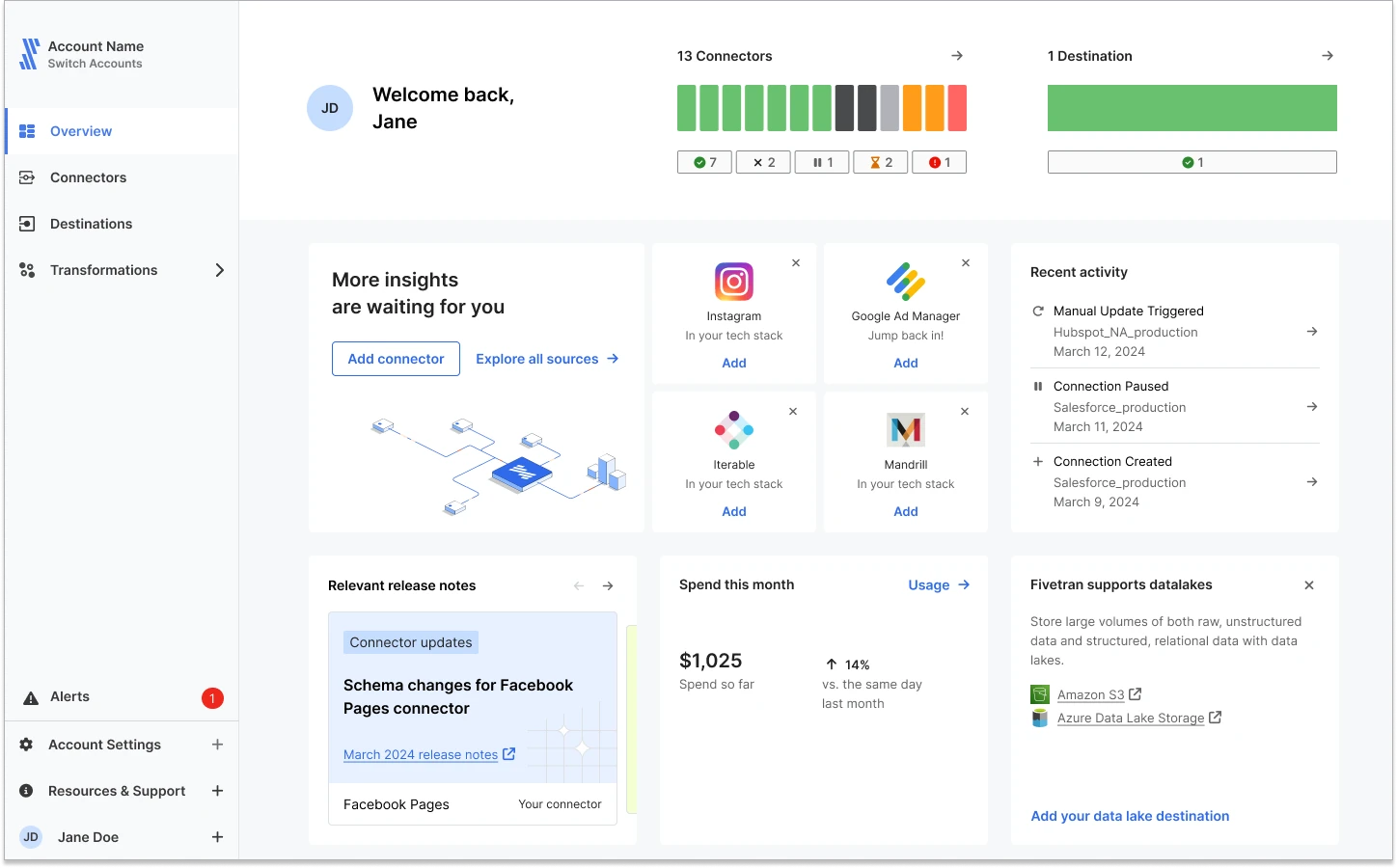
These tools move raw information from source systems into storage environments where it can be analyzed. They clean, normalize, and enrich marketing data before it’s used to ensure data quality and consistency across platforms.
Examples: Fivetran, Airbyte, Microsoft SSIS
4. Cloud computing
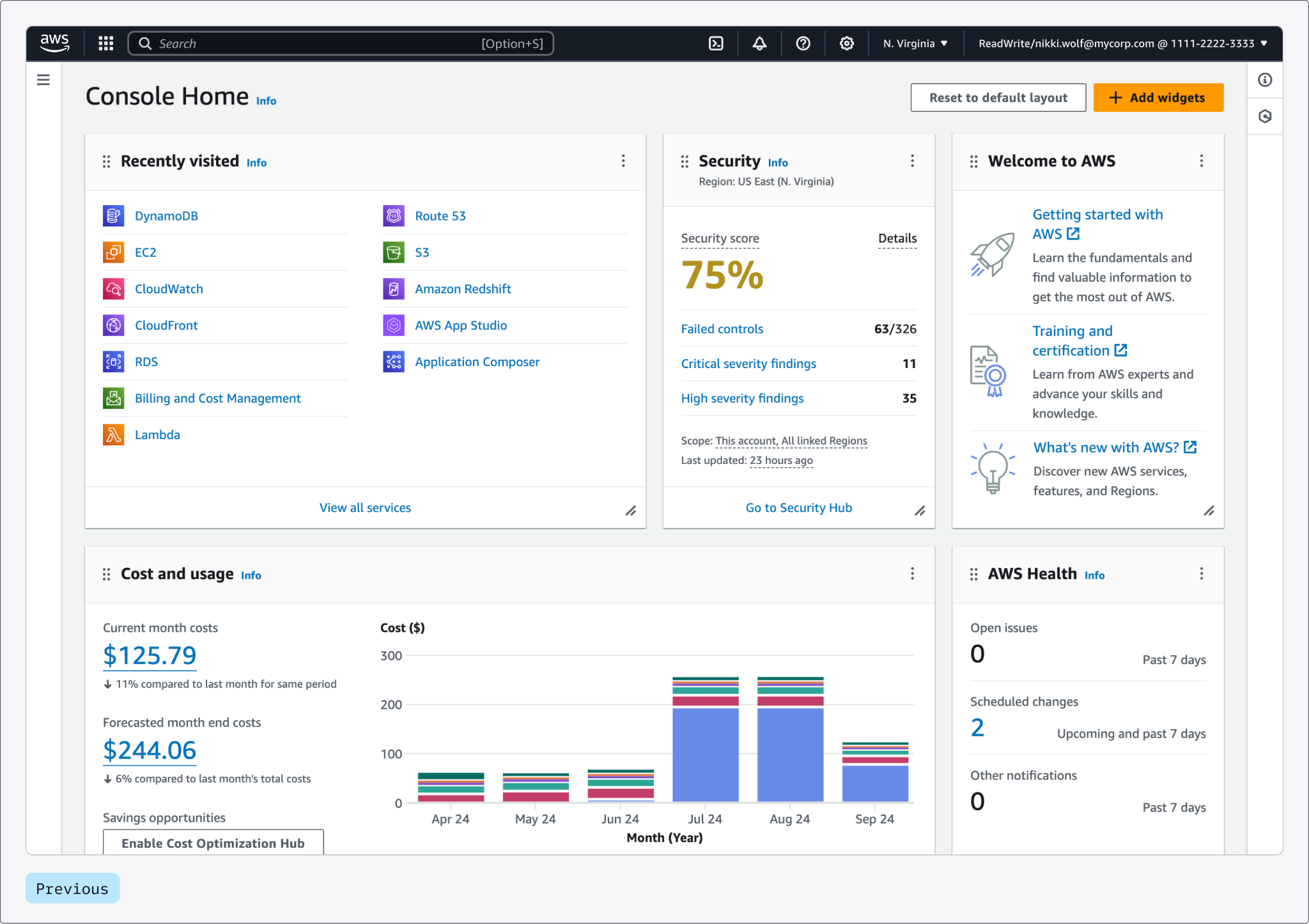
Modern big data marketing wouldn’t exist without the scalability and computing power of the cloud. Cloud computing platforms allow teams to analyze data in real-time, automate heavy workloads, and leverage data at scale without managing physical servers.
Examples: Amazon Web Services (AWS), Microsoft Azure, Google Cloud
Data organization and management
5. Customer Data Platforms (CDPs)
A customer data platform consolidates first-party data from all customer touchpoints (websites, apps, emails, loyalty programs, and more) into a single profile. This unified view allow marketing departments to build and execute personalized marketing strategies and omnichannel campaigns.
Examples: Segment, Treasure Data, BlueConic
6. Data Management Platforms (DMPs)
While CDPs focus on known users, DMPs specialize in anonymous profiles. They collect first-, second-, and third-party information to facilitate targeted campaigns and look-alike audience modeling. For marketing firms running paid ads, DMPs make it easier to extend reach and improve ROI across display, video, and digital marketing channels.
Examples: Lotame, Oracle BlueKai, Adobe Audience Manager
Analytics and activation
7. Predictive analytics tools
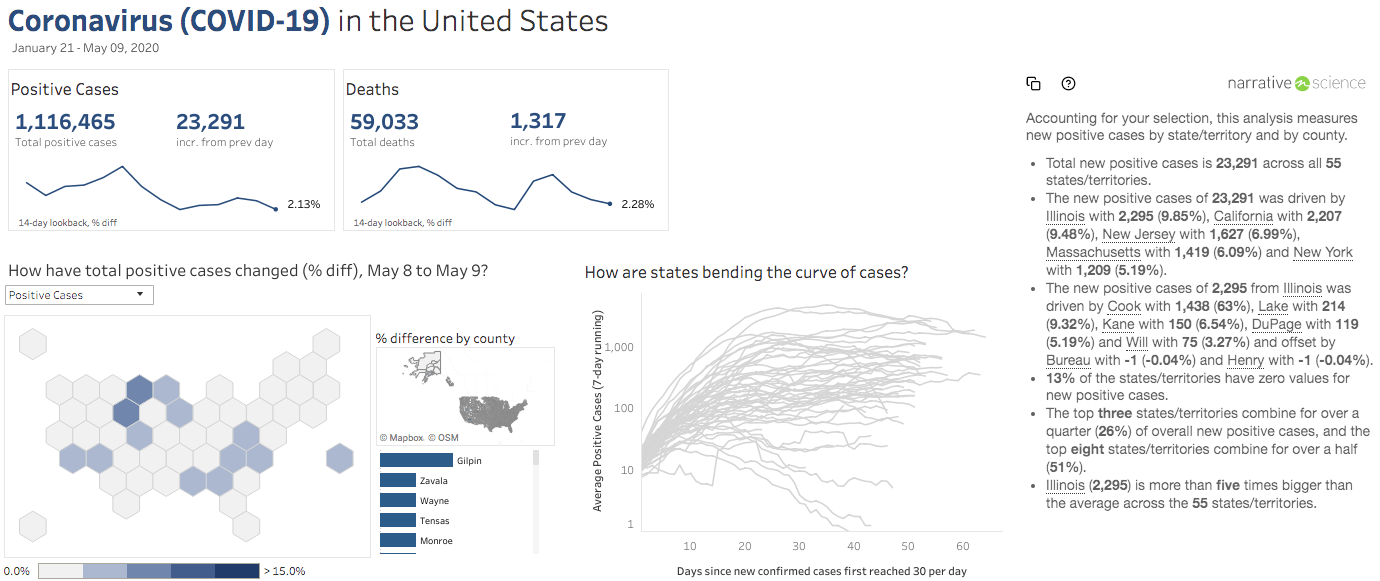
These platforms use data science and ML to forecast consumer behavior and predict future outcomes. From lead scoring and churn prevention to customer segmentation and upselling, predictive models help marketers make smarter, data-driven decisions.
Examples: Adobe Analytics, Salesforce Marketing Cloud Intelligence, Tableau
8. Business Intelligence (BI) dashboards
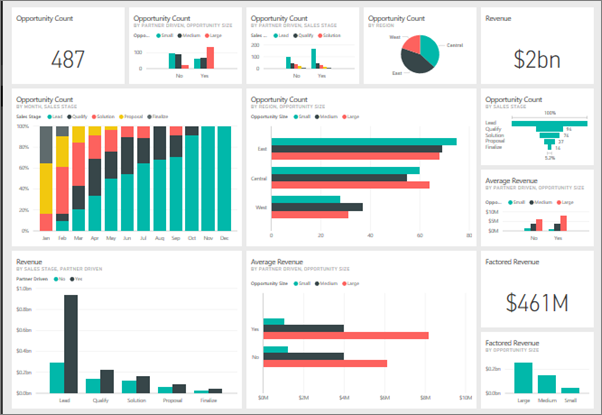
BI tools translate complex datasets into visual, easy-to-digest dashboards. They track, analyze, and report on key marketing metrics in charts, and graphs, which helps marketers monitor performance and make quick decisions based ond real-time data.
Examples: Tableau, Domo, Microsoft Power BI
9. Marketing automation platforms
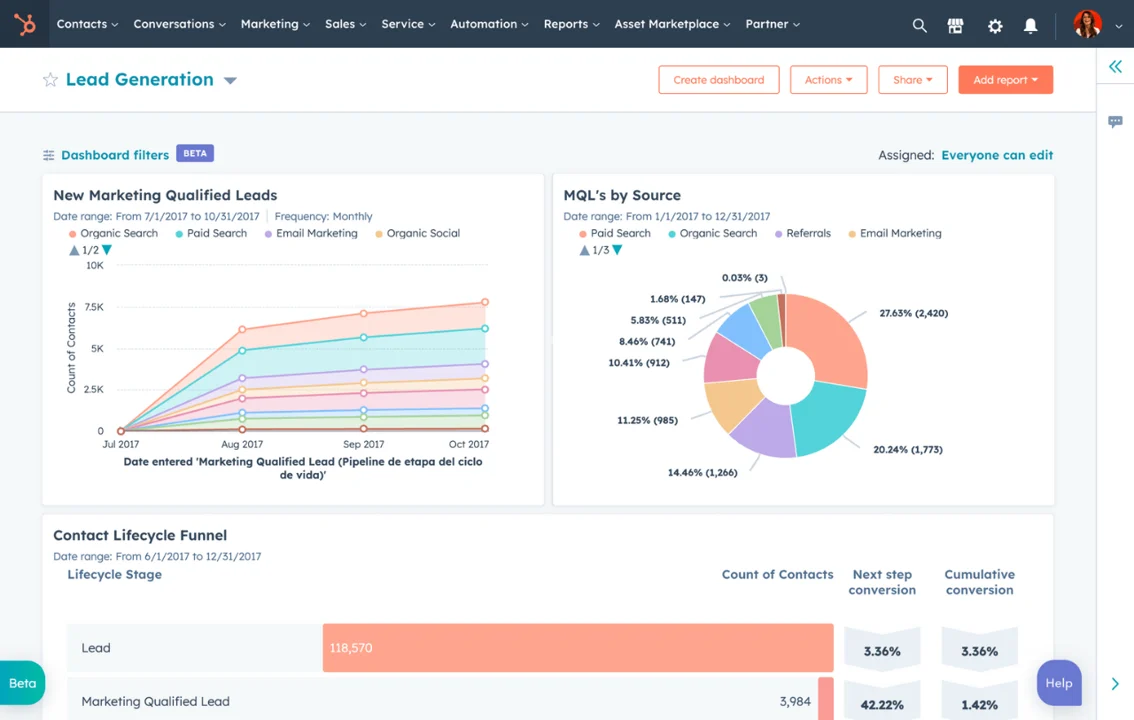
These tools streamline and automate repetitive workflows, like posting on social media and sending email sequences, while maintaining personalization at scale. They also use customer information to trigger personalized campaigns and nurture leads.
Examples: HubSpot, ActiveCampaign, Salesforce Marketing Cloud
Read: Top Marketing Attribution Tools in 2025
Real-world use cases of big data across industries
Big data has transformative use cases across various industries, including the following:
Retail and e-commerce
- Customer behavior analytics: By analyzing browsing history, purchasing patterns, and social media posts, retailers like Amazon and Walmart can create personalized recommendations and targeted marketing campaigns that boost customer engagement and revenue.
- Inventory optimization: Big data helps retailers predict demand based on sales history, seasonal trends, and external factors like weather. This ensures optimal stock levels and reduces waste.
- Market trend analysis: Retailers analyze social media, reviews, and news to gauge consumer sentiment and identify emerging trends. Macy's, for example, uses sentiment analysis to inform its marketing campaigns and predict future opportunities.
Banking and financial services
- Fraud detection: Financial institutions, like VISA and American Express, analyze massive volumes of transactions in real-time, using ML algorithms to detect anomalies that may indicate fraud.
- Risk management: Big data provides insights into risk factors by analyzing market trends, customer behavior, and historical data. This helps banks and insurers make more accurate decisions regarding loans, investments, and insurance policies.
- Personalized banking: By analyzing customer spending habits and financial history, banks like Danske Bank can offer tailored financial products and advice to their customers.
Healthcare
- Personalized medicine: Big data is used to analyze vast datasets, including genomic data, clinical trials, and patient health records, to create personalized treatment plans based on an individual's unique profile.
- Predictive analytics for patient care: By analyzing patient data and lifestyle factors, healthcare providers can predict the likelihood of a patient developing a certain condition. This enables early intervention and preventative care, potentially saving lives.
- Remote patient monitoring: Wearable devices and IoT sensors provide a continuous stream of real-time patient data. Big data analytics processes this information, allowing healthcare professionals to monitor patients remotely and intervene promptly when necessary.
Steps to set up a big data marketing strategy
To set up a big data marketing strategy that works, here are the steps to follow:
Step 1: Define your goals and key performance indicators (KPIs)
Start by deciding what success looks like for your business. Every big data marketing plan needs specific, measurable goals and KPIs to guide it. Otherwise, you’ll collect more data than you can use and end up with insights that don’t drive results.
For example:
- Instead of saying “improve customer relationships,” say “increase customer lifetime value by 5% within the next year.”
- Instead of “get more leads,” say “reduce cost per acquisition by 10% over the next three months.”
When you define your goals clearly, it becomes easier to choose the right marketing data, tools, and techniques to achieve them.
Step 2: Set up your data collection tools
Next, set up the tools that will collect and store your customer data, including:
- Website analytics: Use tools like Google Analytics 4 (GA4) to track user behavior, traffic patterns, and engagement on your website.
- Customer Relationship Management (CRM): Use a CRM system, like Salesforce or HubSpot to gather and manage customer information, such as purchase history and communication records.
- Customer Data Platform (CDP): Invest in a CDP, like Segment or BlueConic, to unify all your customer information from different sources into a single, comprehensive profile.
- Data warehouse: For structured data, set up a data warehouse to organize and store information for analysis.
This setup gives you a full, connected picture of each customer.
Step 3: Collect and prepare your data
Once your systems are in place, start pulling data from everywhere you can:
- Internal sources like CRM, sales records, and loyalty programs
- External sources like social media, online reviews, and market trends
Then clean it up. Remove duplicates, fill missing values, and standardize entries. When you’re done, you’ll have a trustworthy dataset that reflects your real audience.
Step 4: Analyze data and generate insights
This is where your big data analytics tools come into play . Use them to analyze data, find patterns, and turn information into actionable insights.
You can:
- Group customers into segments based on behavior or demographics
- Use predictive analytics and machine learning to forecast what customers might do next
- Identify purchasing patterns, churn risks, and opportunities for upselling or cross-selling
For example, if your analytics shows that customers who buy Product A often buy Product B next, you can target them with personalized bundles or loyalty rewards. These small data-backed moves lead to huge gains in customer retention and revenue.
Step 5: Create and execute your strategy
Now it’s time to act on what you’ve learned. Use the insights from your analysis to design marketing strategies that speak directly to each customer segment.
Here’s what that can look like:
- Send tailored product recommendations using marketing tools like ActiveCampaign or Salesforce Marketing Cloud.
- Reallocate ad spend in real-time toward marketing campaigns that perform best.
- Create relevant marketing content (e.g., blog posts, emails, guides, eBooks) that aligns with your audience’s behavior and preferences.
The goal is to shift from reacting to customer actions to anticipating (and catering to) them.
Step 6: Measure and refine your approach
The final step is continuous improvement. Track your KPIs regularly, review your results, and refine your strategy based on what the data tells you.
Some metrics worth monitoring include:
- Customer Lifetime Value (LTV): Measures how much revenue a single customer generates over the course of their time doing business with you.
- Customer Acquisition Cost (CAC): Helps you see how efficiently you’re gaining new customers. If the cost is too high, then you need to tweak your strategy to reduce it.
- Retention Rate/Retention Lift: Shows how well you’re keeping customers engaged over time.
- Incremental Revenue: Tracks how much extra income your marketing strategy brings in compared to your baseline.
- Customer Satisfaction (CSAT or NPS): Reflects how your efforts impact the overall customer experience.
Keep iterating. Each campaign you run should teach you something new. The more you measure and refine, the smarter your processes become and the easier it is to scale what’s working.
Tips to help with big data marketing
Effectively leveraging big data in marketing requires a strategic and disciplined approach. Here are some tips to help you:
Build a strong foundation
- Define clear goals and KPIs: Before collecting data, determine what you want to achieve. Ensure your KPIs are specific, measurable, and aligned with your business objectives. This prevents you from getting lost in a flood of irrelevant data.
- Start small and scale up: You don't need to use every piece of data at once. Begin with a specific, high-impact project, like improving a conversion funnel or predicting customer churn. As you achieve success, you can gradually expand your efforts.
- Choose the right tools: Select big data technologies that fit your project's size, complexity, and budget. Ensure your tech stack, including your CRM and marketing automation platforms, integrates well and can scale with your business.
Prioritize data quality and integrity
- Establish a data governance framework: Define clear rules and processes for how your organization collects, manages, and uses data. Assign responsibilities to data stewards to ensure accuracy and consistency across the board.
- Implement data validation at entry points: Set up automated checks on data entry forms to prevent inaccurate information from entering your systems from the start. This can include verifying email formats, phone number patterns, and other crucial details.
- Enrich and cleanse your data: Use data enrichment tools to automatically fill in missing information for customer records. Regularly audit your data to identify and remove duplicates or inconsistencies.
- Stay privacy-compliant: Respect customer privacy by adhering to regulations like GDPR and CCPA. Be transparent about how you collect and use data, and implement strong security measures to protect sensitive information.
Create a data-driven culture
- Promote data literacy: Provide training for your marketing team on how to understand and interpret data. This builds a culture of data-informed decision-making and empowers employees to use analytics effectively.
- Encourage collaboration: Ensure open communication between your marketing, sales, and data teams. Sharing insights breaks down silos and ensures a consistent, holistic view of your customer across the organization.
- Don't ignore the human element: Remember that data comes from people. Use your insights to understand your audience's needs and pain points, but combine that knowledge with human creativity and instinct to create powerful, empathetic campaigns.
Hire a marketer with MarketerHire
To pull off a big data marketing plan that actually works, you need tight collaboration between your data and marketing teams. The data side gathers, cleans, and models information, but it’s your marketing teams that turn those insights into strategy, creative execution, and measurable results.
While MarketerHire doesn’t currently staff data engineers or data scientists, we do have a large network of pre-vetted marketing experts—from senior strategists and growth marketers to marketing analysts—who can plug seamlessly into your existing team.
They can help you:
- Translate big data analytics into clear marketing actions
- Design data-driven campaigns around real insights
- Build marketing processes that use your data to improve ROI and customer engagement
With MarketerHire, you skip the resume-scanning, interview-heavy hiring process. We’ve already done the vetting. In as little as 3–5 days, you can be talking to (and hiring) the right expert to help implement your big data marketing plan.
To get started, fill out this form, and we’ll be in touch.
